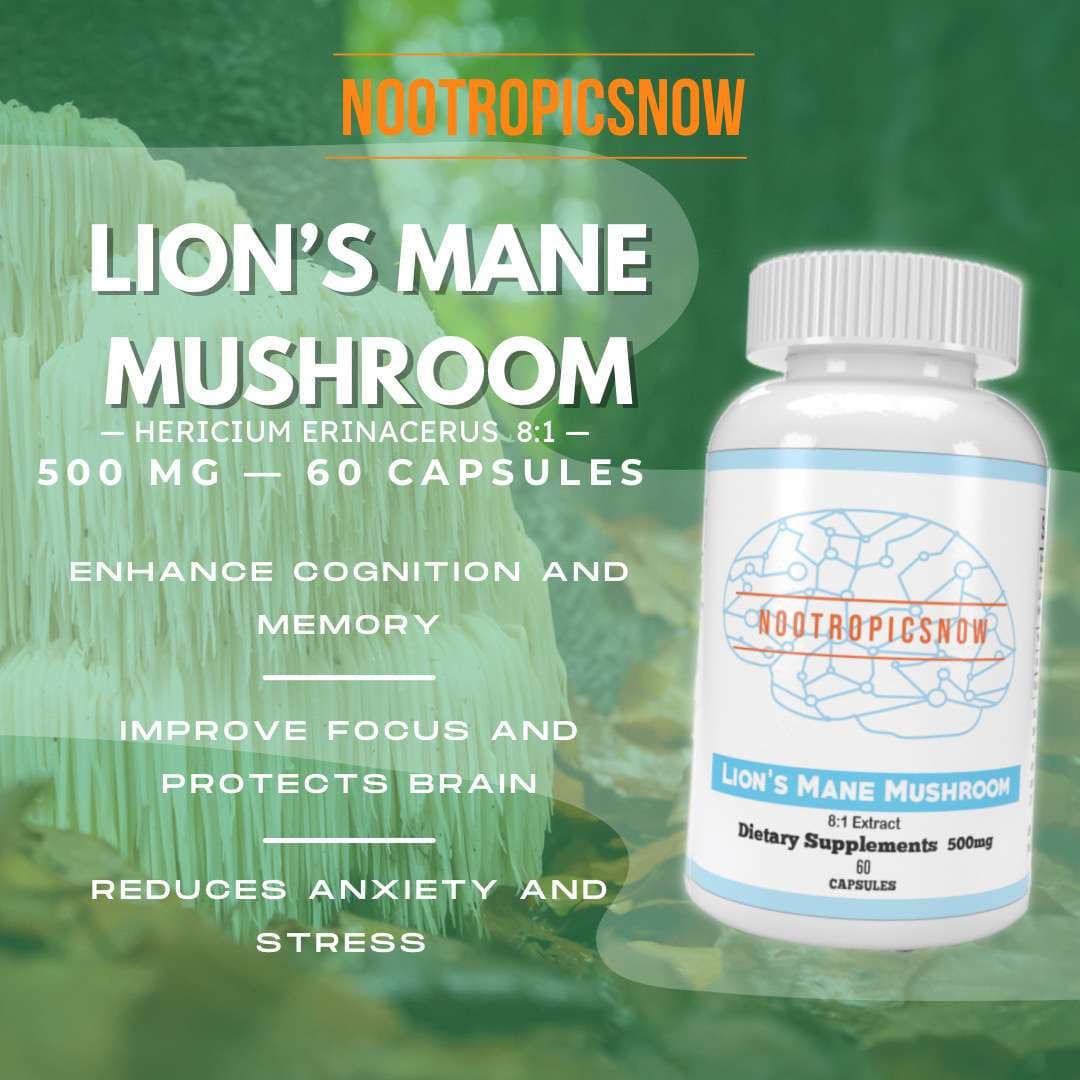
- Lion’s mane mushroom (Hericium erinaceus) is a medicinal edible mushroom studied for compounds in both the fruiting body and mycelium, including hericenones and erinacines, that are of interest in brain-health research.123
- The best-supported way to describe lion’s mane benefits is as possible cognitive support, not a proven focus booster.4
- Human studies on cognition and mood exist, but the evidence is still limited and inconsistent, so expectations should stay modest.45
- It may fit better as a gentle, long-horizon supplement for mental performance than as a fast-acting alternative to caffeine.67
- Product quality and transparent labeling matter a lot, because the research does not tell you which brand, extract style, or manufacturing standard is best.48
What Lion’s Mane Is, and Why It’s Used for Focus
Lion’s mane (Hericium erinaceus) is an edible medicinal mushroom that has drawn attention because it contains bioactive compounds in both the fruiting body and the mycelium.1 Recent reviews describe it as promising for neuroprotective, antioxidant, anti-inflammatory, and neural-stimulating activity.1
Interest in lion’s mane for brain health is especially tied to compounds such as hericenones and erinacines, which are discussed in the research literature on cognitive support.23 That mechanistic interest is real, but it is important not to overread it. Findings from cell and animal work do not automatically translate into a noticeable everyday focus benefit in humans.34
So, when shoppers search for lion’s mane benefits, the most accurate framing is usually: a supplement with potential brain-health support, not a guaranteed nootropic. The evidence base is still developing, which is why it is better described as a focus-support supplement than a proven cognitive enhancer.4
Lion’s Mane Benefits for Focus: What the Research Suggests
Human research has explored lion’s mane in relation to cognition and mood, but overall the evidence remains limited and inconsistent.45 Reviews of mushrooms and neurocognitive health suggest there may be links with cognitive performance, but the findings are not strong enough to support firm conclusions for everyday focus.5
A 2025 randomized placebo-controlled study examined the acute effects of a standardized lion’s mane extract on cognition and mood in healthy younger adults, showing that researchers are actively testing whether the mushroom has short-term cognitive effects.6 That kind of study is useful, but it does not by itself establish that lion’s mane works like a reliable focus enhancer for most people.
The practical takeaway is that lion’s mane for focus is still a “maybe helpful” ingredient, not a certainty. If your goal is sustained attention across a busy workday, it is best viewed as a possible support ingredient rather than a stand-alone solution.4
For readers comparing options, this is a good place to note the difference between a mushroom-based supplement and a more classic stimulant approach.
That kind of comparison matters because caffeine-based formulas are designed for more obvious, immediate stimulation, while lion’s mane has been studied more as a cognitive-support ingredient with slower, less predictable real-world effects.76
How Lion’s Mane May Support Mental Performance
The proposed mechanisms for lion’s mane focus on brain-health pathways that are of interest in preclinical research. Its bioactive compounds are discussed as potentially contributing to neuroprotection and neural growth-related activity.13 Antioxidant and anti-inflammatory actions are also frequently cited as relevant to brain-health research.15
Reviews note that lion’s mane has been studied for neurocognitive health across the lifespan, which helps explain why it often appears in nootropic stacks and “mental clarity” formulas.58 That said, a mechanistic rationale is not the same thing as a dependable effect you can feel in daily life.
It is reasonable to say that lion’s mane mushroom benefits may come from a combination of neural-stimulating, antioxidant, and anti-inflammatory properties discussed in the literature.12 But the literature still leaves open important questions, including which compounds matter most, how well they are absorbed, and whether the effects are meaningful for healthy adults trying to improve focus.34
In other words: promising biology, but incomplete clinical certainty.
Lion’s Mane for Memory vs. Focus
Lion’s mane is often marketed for memory as well as focus, and both outcomes appear in the research conversation.95 That overlap is part of the appeal: shoppers want one supplement that can support recall, concentration, and general mental sharpness.
Still, current evidence is not strong enough to separate memory support from focus support with confidence in real-world supplement use.4 The available studies and reviews do not clearly show that lion’s mane is better for one outcome than the other in everyday supplementation.95
If you want a product for both attention and recall, lion’s mane fits best in the broader “brain health” category rather than the targeted stimulant category.89 That makes it more comparable to other cognitive-support supplements than to a fast energy product.
For shoppers building a broader nootropic routine, it can help to think in terms of use case.
Choline-based products are often chosen by people who want a more direct focus-and-memory strategy, whereas lion’s mane is usually selected by people who prefer a gentler, mushroom-based option.8
What to Expect: Timing, Experience, and Realistic Use
One of the biggest questions around lion’s mane benefits for focus is timing: does it work quickly, or does it require repeated use? A placebo-controlled study in healthy younger adults was designed to assess acute effects, which shows that researchers are still testing whether benefits appear quickly or need more time.6
Because the evidence is limited and inconsistent, noticeable day-one effects should not be assumed.4 That is an important expectation reset for anyone hoping lion’s mane will feel like a subtle version of caffeine.
Many shoppers compare lion’s mane with faster-acting focus products, but the available literature does not position it as a caffeine-like acute stimulant.76 So if you try it, the more realistic approach is to observe how you feel over time rather than expecting a dramatic immediate shift.4
A practical way to evaluate a lion’s mane supplement is to keep your other variables steady for a few weeks: sleep, caffeine intake, hydration, and workload. That makes it easier to notice whether the supplement is doing anything at all, rather than attributing changes to the mushroom that may have other causes. The research base does not yet define one universal best routine.410
Safety, Side Effects, and Product Quality Considerations
Reviews describe lion’s mane as having a generally cautious safety profile in the context of supplement use, but the literature is not large enough to remove uncertainty.110 That means side effects are not a major feature of the research conversation, but they are still possible, and the evidence is not broad enough to make overly confident claims.
Online discussions often focus on negative experiences, but social posts are not a substitute for controlled evidence about cause and effect.3 If someone feels worse after taking a mushroom supplement, that matters for their decision-making, but it does not prove the product caused the effect in every case.
Product quality is a major issue with any lion’s mane supplement. The evidence base does not answer questions about every brand, extract ratio, or manufacturing standard.48 That is why transparent labeling matters: clear amount per serving, specific ingredient disclosure, and a straightforward formulation are all more useful than broad claims about “brain power” or “peak performance.”8
If you are comparing products, look for a label that tells you exactly how much lion’s mane you are getting and whether the formula is based on fruiting body, mycelium, or an extract blend.12 That context helps you make a more informed choice, especially since the research discusses both fruiting body and mycelium-derived compounds.12
How to Choose a Lion’s Mane Supplement for Focus
When you shop for a lion’s mane supplement, start with the basics: clear dosing and transparent labeling.8 If the serving size is vague, it becomes difficult to compare the product with other options or judge whether it is even in the range commonly discussed in the supplement market.
Extract style also matters because research discusses both fruiting bodies and mycelium-derived compounds such as erinacines and hericenones.12 You do not need to become a mycology expert, but you should know what the label is telling you. A product that clearly states the amount per serving is easier to evaluate than one leaning on marketing language alone.8
If your primary goal is focus, a lion’s mane product usually belongs in the FOCUS and MEMORY buckets rather than an energy-only stack.8 That distinction is useful because it prevents mismatched expectations. Lion’s mane is better suited to people who want calm cognitive support than to people who want an obvious energy spike.
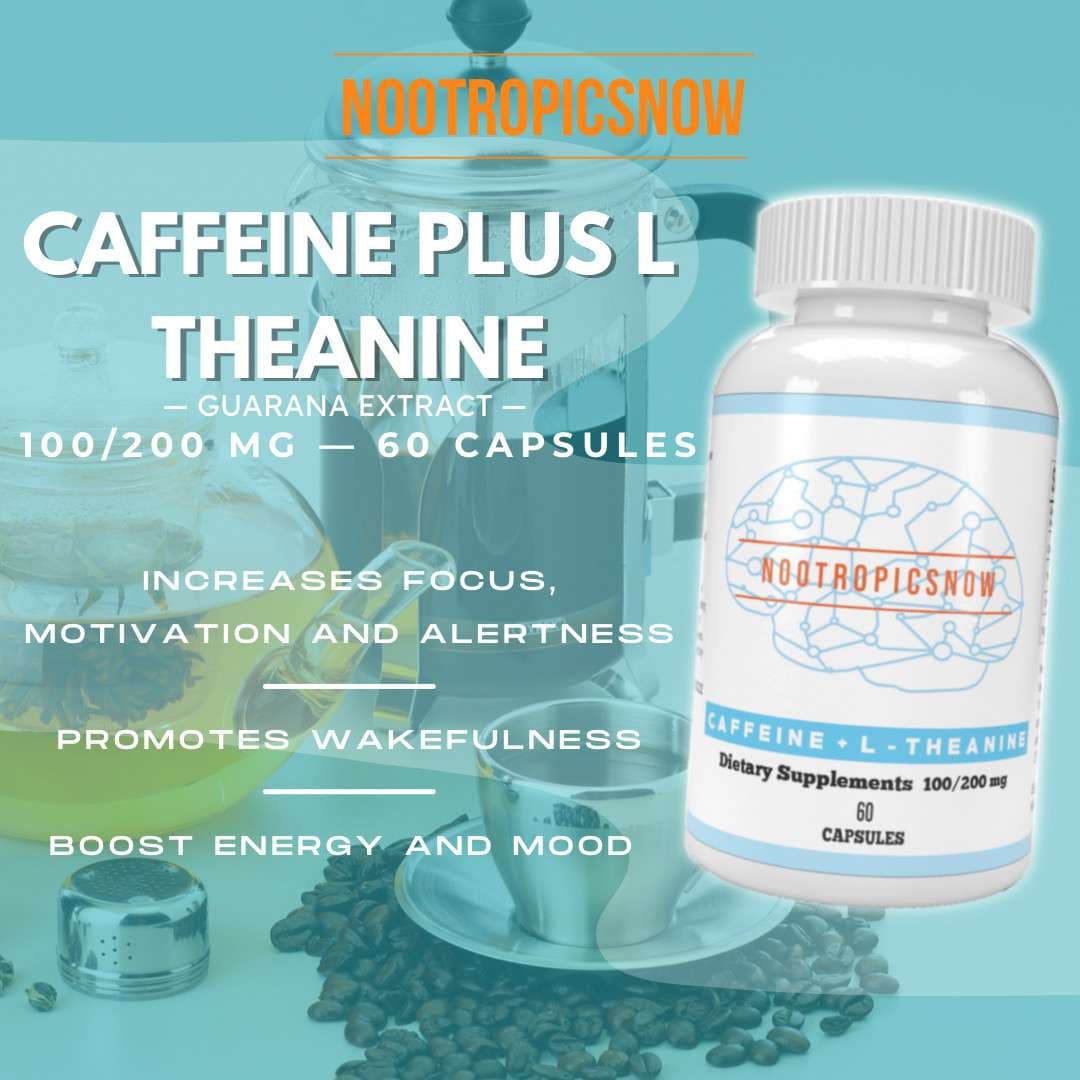
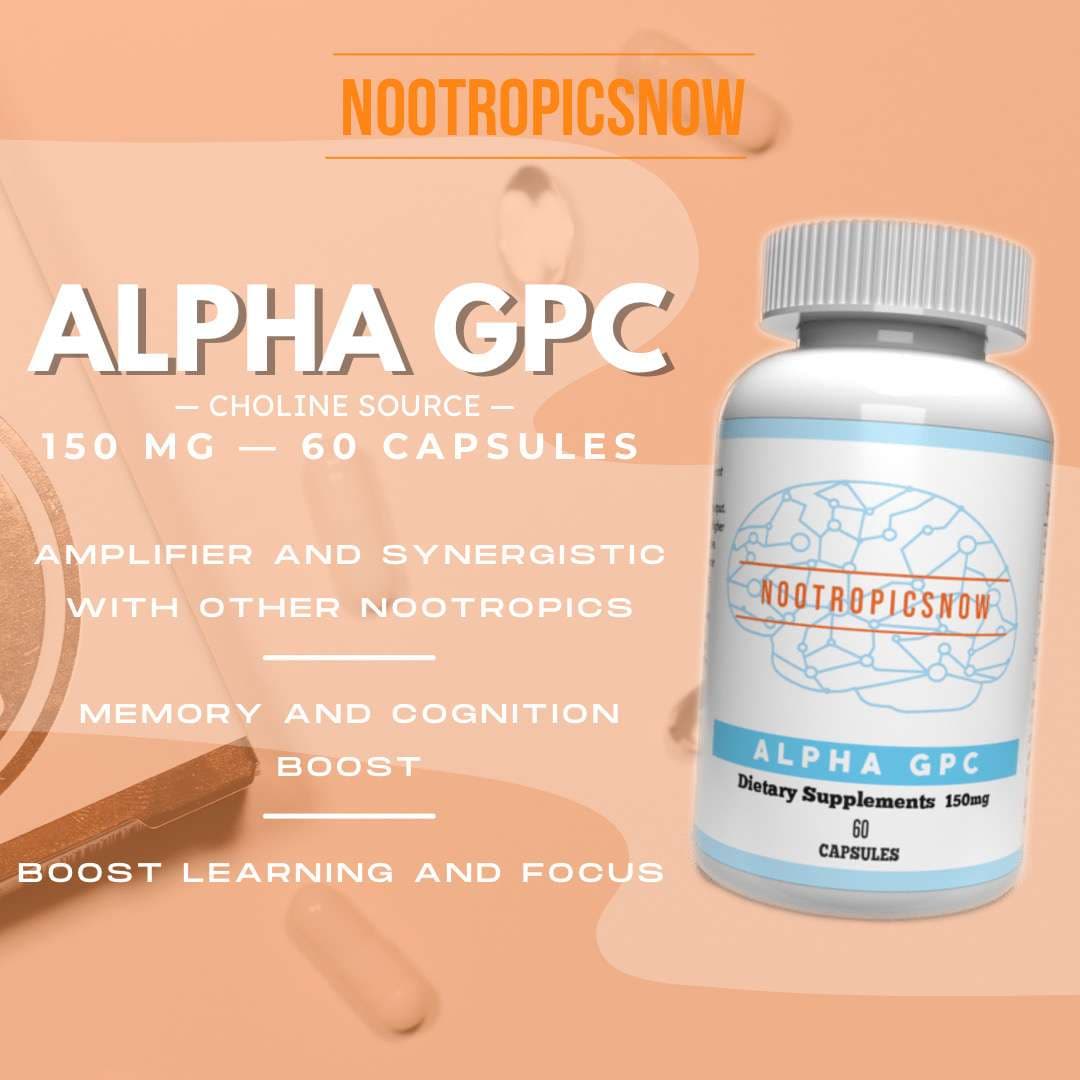
If you want a broader nootropic routine, you may compare lion’s mane with choline-based options or a stimulant stack depending on whether you want calm focus or more obvious energy.[^caffeine-100-mg-l-theanine-200-mg-60-capsules-30-servings][^alpha-gpc-150-mg-60-capsules-60-servings][^cdp-choline-250-mg-30-capsules-30-servings]
A practical short list for choosing:
- check the serving amount on the label8
- confirm whether it uses fruiting body, mycelium, or both12
- decide whether you want gentle support or more noticeable stimulation76
- compare it with a formula that matches your actual goal, not just the marketing promise8
If you are shopping specifically for lion’s mane benefits, that kind of product is the most direct fit for the focus and memory goals discussed in this article.
Frequently asked questions
Does lion’s mane actually help with focus?
Research suggests possible cognitive support, but the evidence is still limited and mixed, so it should be viewed as a potential support ingredient rather than a guaranteed focus booster.45
Is lion’s mane better for focus or memory?
It is discussed for both focus and memory, and current research does not clearly separate the two benefits in everyday supplement use.95
Why do some people say lion’s mane feels like brain fog relief?
Anecdotes are common online, but human evidence is still developing, so individual experiences do not confirm a universal effect.43
Can lion’s mane replace caffeine for focus?
The available literature does not position lion’s mane as a caffeine-like stimulant, so it is not the same type of focus support.76
Should I take lion’s mane every day?
The research base is not strong enough to define one best routine for everyone, so consistency depends on your goals, tolerance, and product choice.410
What should I look for if I’m worried about shady products?
Look for transparent labeling with a clearly stated serving amount and avoid products that rely on vague marketing instead of specifics.8
Bottom line
Lion’s mane mushroom has a plausible scientific case as a brain-health supplement, and that is why it keeps appearing in conversations about focus, memory, and mental clarity.15 But the evidence in humans is still limited and inconsistent, so the most careful way to describe its lion’s mane benefits is as possible cognitive support, not a proven nootropic.4
If you want a gentle supplement that may fit into a broader focus routine, lion’s mane is a reasonable option to consider. If you want something with a more immediate, stimulant-like effect, you will likely want to compare it with other formulas instead.76
Shop lab-tested compounds
Explore the primary lion’s mane option featured in this guide:
Important disclaimer
This article is for educational purposes only. It is not medical advice, not a substitute for professional consultation, and is not intended to diagnose, treat, cure, or prevent any disease.
Statements about dietary supplements have not been evaluated by the FDA. Individual results vary. Consult a licensed physician before starting any new supplement — especially if you are pregnant, breastfeeding, have a medical condition, or are taking prescription medication.
Quality and sourcing information is available on our quality page. Batch-level lab test data is available on request — contact support.
Last reviewed: 2026-04-19
References
Footnotes
-
Arya Menon, Ayesha Jalal, Zara Arshad. Benefits, side effects, and uses ofas a supplement: a systematic review.. Frontiers in nutrition (2025). https://pubmed.ncbi.nlm.nih.gov/40959699/ ↩ ↩2 ↩3 ↩4 ↩5 ↩6 ↩7 ↩8 ↩9 ↩10 ↩11 ↩12
-
Riccardo Iacovelli, Fons Poon, Kristina Haslinger. Identification and Reconstitution of the First Two Enzymatic Steps for the Biosynthesis of Bioactive Meroterpenoids from(Lion's Mane Mushroom).. Molecules (Basel, Switzerland) (2024). https://pubmed.ncbi.nlm.nih.gov/39683734/ ↩ ↩2 ↩3 ↩4 ↩5 ↩6 ↩7
-
Maya Muhanna, Issac Lund, Mark Bromberg. ALSUntangled #73: Lion's Mane.. Amyotrophic lateral sclerosis & frontotemporal degeneration (2024). https://pubmed.ncbi.nlm.nih.gov/38141002/ ↩ ↩2 ↩3 ↩4 ↩5 ↩6 ↩7
-
Tripdatabase. What evidence supports the nutritional and neurological benefits of lion's mane mushrooms?. Zenodo (CERN European Organization for Nuclear Research) (2025). https://doi.org/10.5281/zenodo.17686530 ↩ ↩2 ↩3 ↩4 ↩5 ↩6 ↩7 ↩8 ↩9 ↩10 ↩11 ↩12 ↩13 ↩14 ↩15 ↩16 ↩17
-
Sara Cha, Lynne Bell, Barbara Shukitt-Hale. A review of the effects of mushrooms on mood and neurocognitive health across the lifespan.. Neuroscience and biobehavioral reviews (2024). https://pubmed.ncbi.nlm.nih.gov/38246232/ ↩ ↩2 ↩3 ↩4 ↩5 ↩6 ↩7 ↩8 ↩9 ↩10
-
Geyan Surendran, Jake Saye, Syahira Binti Mohd Jalil. Acute effects of a standardised extract of(Lion's Mane mushroom) on cognition and mood in healthy younger adults: a double-blind randomised placebo-controlled study.. Frontiers in nutrition (2025). https://pubmed.ncbi.nlm.nih.gov/40276537/ ↩ ↩2 ↩3 ↩4 ↩5 ↩6 ↩7 ↩8
-
Kristin M. Nieman, Yong Zhu, Michelle Tucker. The Role of Dietary Ingredients in Mental Energy – A Scoping Review of Randomized Controlled Trials. Journal of the American Nutrition Association (2023). https://doi.org/10.1080/27697061.2023.2244031 ↩ ↩2 ↩3 ↩4 ↩5 ↩6
-
. Lion's Mane Mushroom (Hericium erinaceus) - PMC - NIH.. https://pmc.ncbi.nlm.nih.gov/articles/PMC12030463/ ↩ ↩2 ↩3 ↩4 ↩5 ↩6 ↩7 ↩8 ↩9 ↩10 ↩11 ↩12
-
Haley Hersant, Sean He, Peter Maliha. Over the Counter Supplements for Memory: A Review of Available Evidence.. CNS drugs (2023). https://pubmed.ncbi.nlm.nih.gov/37603263/ ↩ ↩2 ↩3 ↩4
-
. Benefits, side effects, and uses of Hericium erinaceus ... - PMC.. https://pmc.ncbi.nlm.nih.gov/articles/PMC12434001/ ↩ ↩2 ↩3