TL;DR
- For most people comparing sleep supplements in the Philippines, melatonin is the best-studied starting point for sleep onset and overall sleep quality.12
- Valerian is a reasonable non-melatonin alternative, especially if you want a different ingredient profile and a standardized extract.3
- The best choice depends on your goal: falling asleep faster, sleeping more consistently, or building a calmer nighttime routine.14
- A sleep-first approach usually makes more sense than stacking many products at once, especially if you also take medicines or plan to use local delivery in the PH.45
In the Philippines, shoppers comparing sleep supplements often want something practical: a product that matches their bedtime problem, is easy to understand on the label, and fits local availability and delivery options.
What to look for in the best supplements for sleep and recovery
The strongest starting point is simple: look for human evidence on sleep quality, sleep onset, or sleep efficiency rather than broad wellness claims.12 For a bedtime supplement, those endpoints matter more than vague promises about “restfulness,” because the real question is whether the product helps you fall asleep, stay asleep, or wake less often.
A cautious frame is also important. Sleep supplements can support a routine, but they are not a substitute for sleep hygiene, schedule regularity, or medical evaluation when insomnia is persistent.4 In older adults, for example, specialty guidance still emphasizes behavioral approaches as an initial step before moving deeper into pharmacologic options.4 That logic also applies to younger adults who may be looking at supplements after a few short nights, shift work, or stress.
It helps to choose based on your main goal:
- Sleep onset: you want to fall asleep faster.
- Sleep maintenance: you want fewer awakenings or better continuity.
- Night-time recovery support: you want a calmer bedtime transition and a smoother next morning.
If your goal is sleep onset, melatonin has the clearest evidence base among common over-the-counter options. If your goal is a gentler, herb-based route, a standardized valerian extract is a sensible alternative to compare. If your goal is broader night-time recovery support, you may be looking less for a single “knockout” ingredient and more for a formulation that pairs relaxation with tolerability.
Melatonin: the most studied sleep-support ingredient
Melatonin is the main hormone involved in the sleep-wake cycle, and it is commonly taken orally as a sleep supplement.65 That basic biology explains why it remains the first ingredient many people evaluate when they are building a sleep routine. The best research summaries also point in the same direction: systematic reviews and meta-analyses have examined melatonin for sleep quality, sleep onset latency, total sleep time, sleep efficiency, and quality of life in adults with chronic insomnia or other sleep complaints.12
For shoppers, that matters because melatonin is not just “popular”; it is one of the more evidence-backed starting points for a bedtime stack. The abstract-level evidence in the review literature supports its use for improving sleep quality and quantity outcomes, although the exact effect can vary by study and population.12 That is why many people use it as a first-pass option before trying more complex blends.
Typical use questions come up often:
- When should I take it? Many people use it near bedtime, but product timing varies by formulation and goal; the key is to match the dose form to whether you want sleep onset support or a more gradual effect.1
- Should I stack it with other products? Starting with one ingredient at a time is usually smarter, because then you can tell what actually changes your sleep.14
- Is more better? Not necessarily. The evidence base supports melatonin as a sleep ingredient, but the best fit still depends on your routine, sensitivity, and the rest of your sleep environment.26
If you are searching for a melatonin product, keep the label transparent and avoid mixing too many extra actives into the first trial. In the PH market, that approach is also easier when stock and delivery vary by SKU, because you can compare one straightforward product against another without guessing what is doing the work.5
Valerian and other non-melatonin options
For readers who want a non-melatonin route, valerian deserves a look. A randomized, double-blind, placebo-controlled clinical study reported that a standardized extract of Valeriana officinalis improved overall sleep quality in human subjects with sleep complaints.3 That does not make valerian the automatic best choice for everyone, but it does support its place among the more plausible herbal alternatives.
One reason people explore valerian is preference. Some shoppers simply do not want melatonin in their nightly routine, while others prefer a plant-based option with a different feel and marketing profile. In that setting, standardized extracts matter more than trendy branding. A standardized product is easier to compare because you know the ingredient is at least being delivered in a consistent form across servings.3
When you compare alternatives, pay attention to:
- whether the extract is standardized;
- whether the label gives a clear serving amount;
- whether the product is a single ingredient or a multi-herb blend;
- whether the manufacturer explains the intended bedtime use.
If the product is a broad herbal blend, the evidence can get harder to read because you may not know which part is most relevant. By contrast, a cleaner valerian product gives you a more direct test of whether that herb fits your sleep pattern.3
A practical way to think about the decision is this: melatonin is the more established starting point for sleep quality and sleep onset, while valerian is a reasonable alternative if you want something non-melatonin and your goal is still primarily bedtime support.13
How recovery connects to better sleep
Recovery and sleep overlap more than many shoppers realize. Poor sleep quality is associated with worse next-day functioning, and sleep problems can carry a real quality-of-life burden.73 That is one reason recovery-focused supplementation should usually start with sleep, not with a stimulant-heavy or overly complicated stack at night.
If you train regularly, work long shifts, or simply feel “wired but tired,” your best recovery support may be a product that helps you settle down before bed. A calmer evening often matters more than adding multiple recovery ingredients with no clear bedtime purpose. In practice, that means looking for options that support relaxation, sleep quality, or perceived restfulness rather than asking a single capsule to do everything.
Some readers also ask whether recovery-oriented products are useful when stress is the main issue. In that case, the answer is often yes, if the product’s real function is to help with the transition into sleep. That transition is where many people get stuck: the body is tired, but the mind is still activated. For those nights, a gentler ingredient profile may be more helpful than a product with a long list of extras.
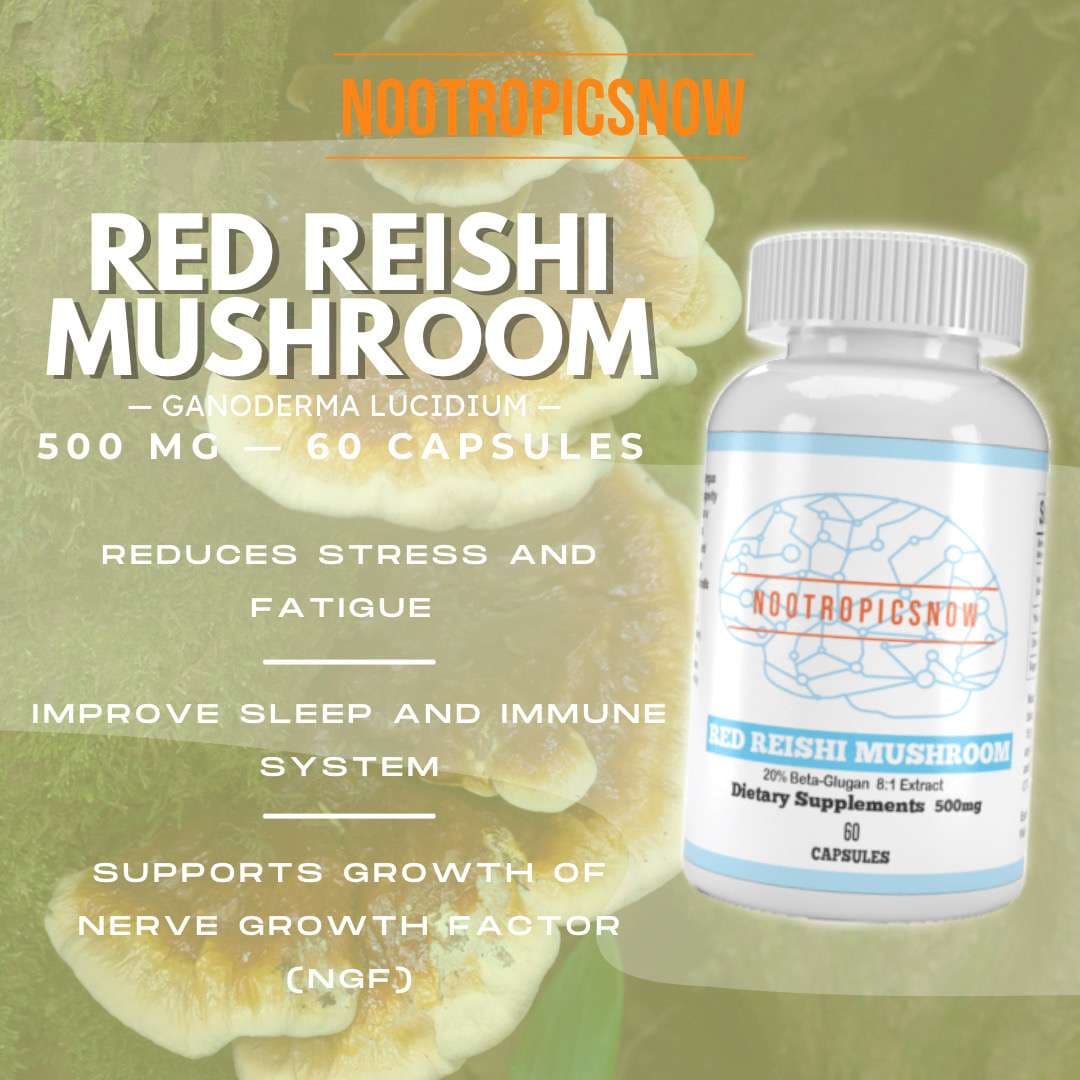
If you want a stress-plus-sleep option built around a mushroom ingredient, red reishi is often positioned that way by sellers, and the mushroom label makes the format easy to identify. A mushroom-based bedtime product can be a reasonable fit for people who want a softer evening routine rather than a strong single-ingredient sedative feel.
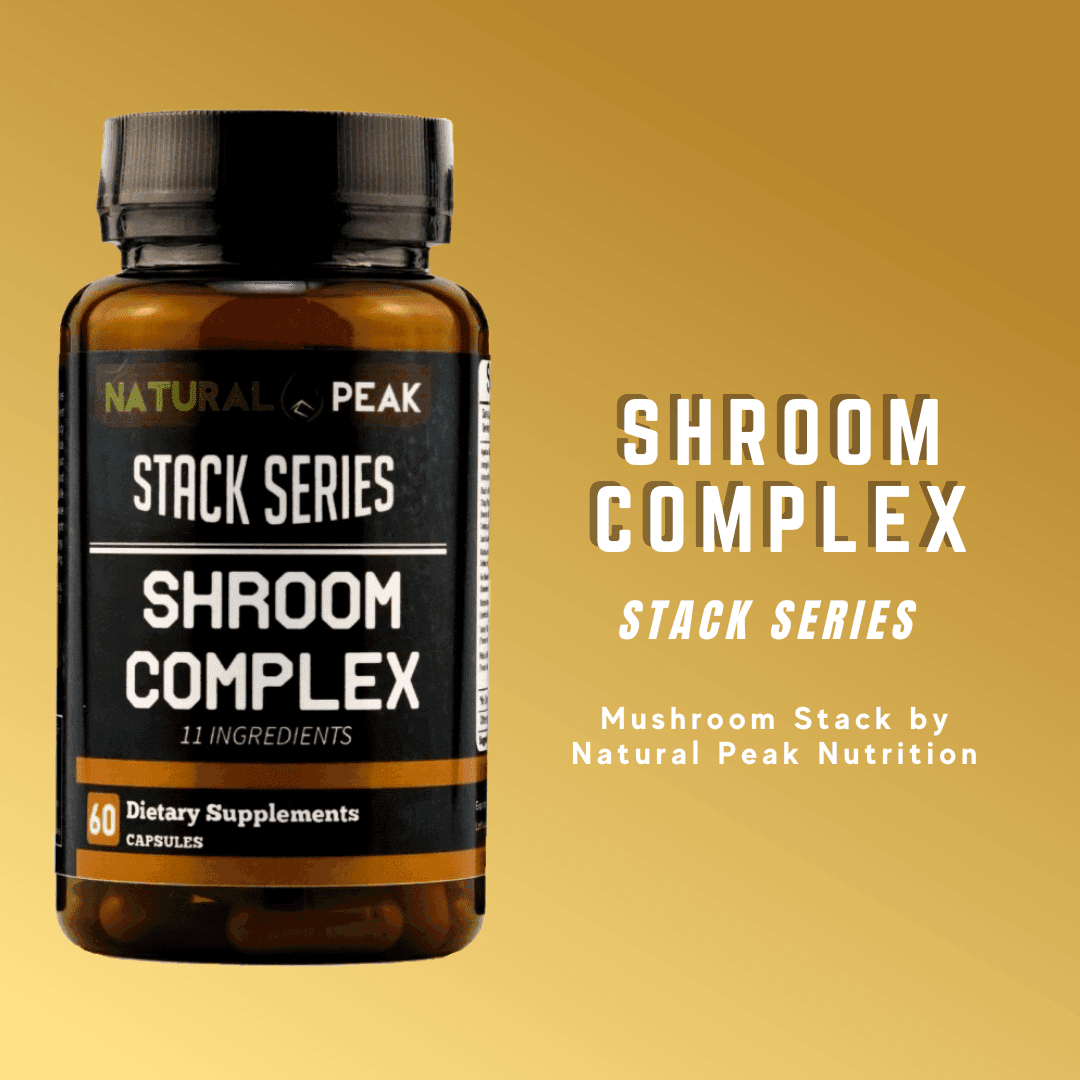
For shoppers who think beyond one ingredient and want broader night-time recovery support, a mushroom stack can feel appealing because it combines multiple ingredients into one routine. Natural Peak Nutrition’s mushroom stack is the kind of recovery-oriented formula that some buyers compare when they want more than a single-ingredient sleep supplement.
How to choose a supplement stack safely
The safest way to build a sleep stack is to start small. One ingredient at a time lets you see what actually changes your sleep pattern and what may be adding cost without benefit.14 That advice is especially useful if you are comparing melatonin with valerian, or if you are deciding whether a mushroom-based product belongs in the same bedtime routine.
Timing matters too. Sleep-support products are often taken near bedtime, but the best timing depends on the ingredient, the formulation, and your goal. A fast-acting approach may be different from a longer, gentler evening routine.1 If you are using a product to support sleep onset, taking it at the same time each night can make your routine more consistent.
Be extra careful if you take prescription medicines or if you are trying multiple products together.4 The practical issue is not only ingredient overlap; it is also that a stack can make it harder to identify the source of side effects such as next-day grogginess, vivid dreams, or a change in how long it takes you to fall asleep. If a product seems to help at first and then stops feeling useful, that is another reason to simplify the plan instead of adding more.
A good rule for shoppers is:
- Pick one goal.
- Pick one ingredient.
- Give it a fair trial.
- Change only one variable at a time.
That approach is not flashy, but it is usually the most informative. It also keeps your shopping strategy aligned with what the literature actually measures: sleep quality, sleep onset latency, sleep efficiency, and total sleep time, rather than vague wellness language.12
Availability in the Philippines
Availability in the Philippines can vary by SKU, so the most useful habit is to check the current catalog rather than assume a product is always in stock.5 That matters more for sleep supplements than for many other categories because shoppers often want a specific ingredient, a specific strength, or a specific format such as capsules versus gummies.
For PH shoppers, confirm stock status, delivery within the Philippines, and any product-specific guidance before checkout. Local Philippine shipping also helps you compare turnaround time if you are trying to keep a bedtime routine consistent. A product may look good on paper but still be inconvenient if it is frequently out of stock or if the label is not clear enough to compare with other options.
This is also where label reading becomes useful. If two products both say “sleep support,” compare the actual ingredient list, the serving size, and whether the product is a single-ingredient option or a blend. That is especially important if you are deciding between melatonin, valerian, or a broader recovery formula, because the best fit depends on the exact goal rather than the marketing category alone.63
When you shop locally, the simplest strategy is to match the product page to the outcome you want:
- sleep onset support,
- steadier sleep quality,
- or calmer evening recovery.
That way, you are not buying a general “sleep” label when your real need is something narrower.
Frequently asked questions
Can I use sleep supplements every night if I live in the Philippines?
Many people use sleep supplements short term, but it is wise to review the product, your dose, and any medicines you take before making it a nightly habit.4
What is the best supplement if I want to fall asleep faster?
Melatonin is one of the most studied options for sleep onset and overall sleep quality.1
Do recovery-focused supplements help if my problem is stress at night?
Some recovery-oriented products may be more useful when relaxation and sleep quality are the main goals, especially if stress is part of the issue.37
Is melatonin the first option most people should consider for sleep support?
It is often a practical starting point because it has the strongest evidence base among common sleep supplements.12
How do I pick between melatonin, valerian, and other sleep supplements?
Start by defining your goal: sleep onset, sleep quality, or a calmer bedtime routine. Then compare ingredients, dose, and product transparency.13
Why do sleep supplement videos keep mentioning magnesium, theanine, and apigenin?
Those ingredients are popular in social discussions, but the best choice still depends on your goal, tolerance, and the evidence available for the exact product.1
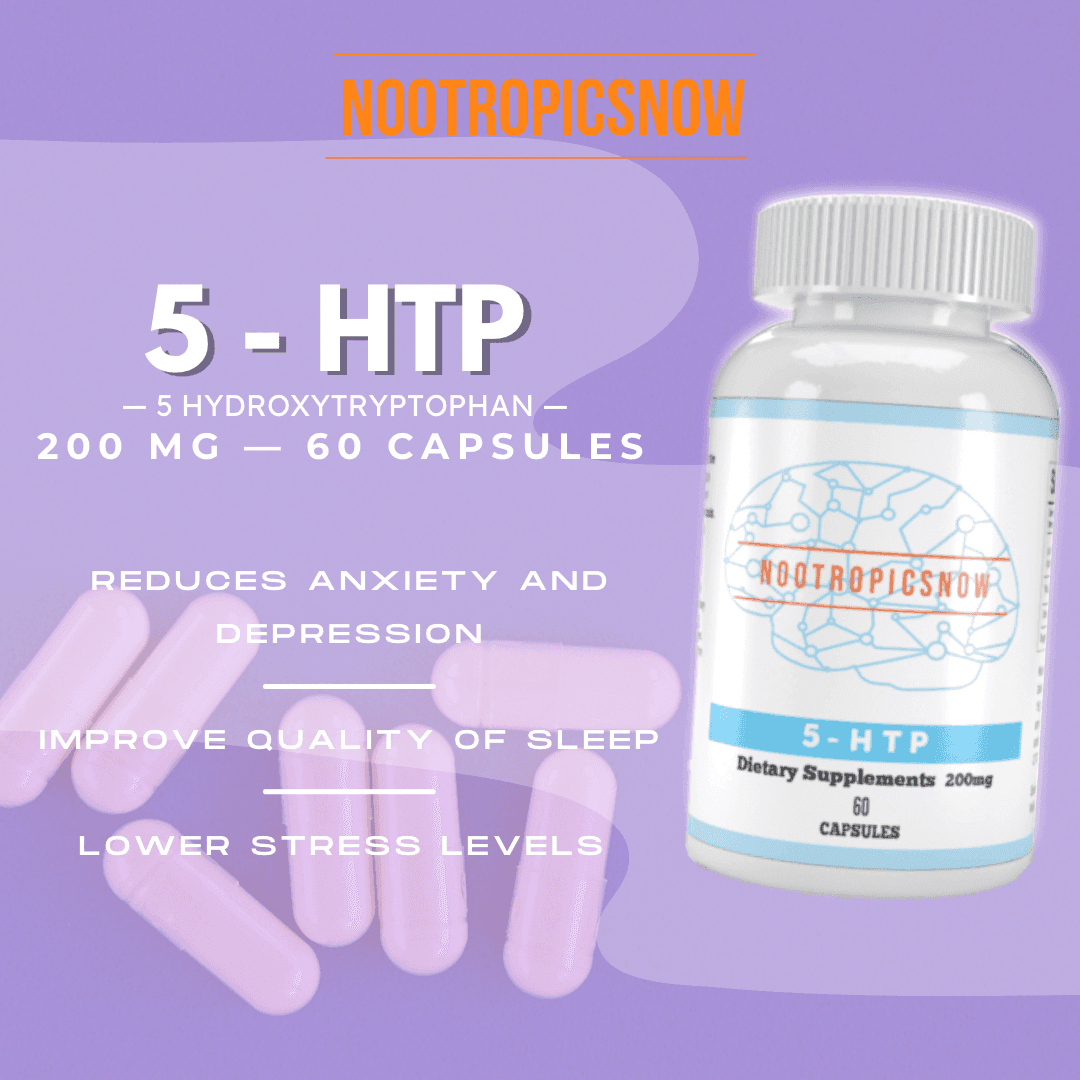
For a straightforward nighttime option, vendors typically market 5-HTP as a mood-and-sleep support choice that can fit an evening routine.
Important disclaimer
This article is for educational purposes only. It is not medical advice, not a substitute for professional consultation, and is not intended to diagnose, treat, cure, or prevent any disease.
Statements about dietary supplements have not been evaluated by the FDA. Individual results vary. Consult a licensed physician before starting any new supplement — especially if you are pregnant, breastfeeding, have a medical condition, or are taking prescription medication.
Quality and sourcing information is available on our quality page. Batch-level lab test data is available on request — contact support.
Last reviewed: 2026-04-29
References
Footnotes
-
Kyungseon Choi, Yu Jeong Lee, Seonyoung Park. Efficacy of melatonin for chronic insomnia: Systematic reviews and meta-analyses.. Sleep medicine reviews (2022). https://pubmed.ncbi.nlm.nih.gov/36179487/ ↩ ↩2 ↩3 ↩4 ↩5 ↩6 ↩7 ↩8 ↩9 ↩10 ↩11 ↩12 ↩13 ↩14 ↩15
-
Gholami Fatemeh, Moradi Sajjad, Rasaei Niloufar. Effect of melatonin supplementation on sleep quality: a systematic review and meta-analysis of randomized controlled trials.. Journal of neurology (2022). https://pubmed.ncbi.nlm.nih.gov/33417003/ ↩ ↩2 ↩3 ↩4 ↩5 ↩6 ↩7
-
Harshith Chandra Shekhar, Lincy Joshua, Jestin V Thomas. Standardized Extract of Valeriana officinalis Improves Overall Sleep Quality in Human Subjects with Sleep Complaints: A Randomized, Double-Blind, Placebo-Controlled, Clinical Study.. Advances in therapy (2024). https://pubmed.ncbi.nlm.nih.gov/37899385/ ↩ ↩2 ↩3 ↩4 ↩5 ↩6 ↩7 ↩8 ↩9
-
Vivien C Abad, Christian Guilleminault. Insomnia in Elderly Patients: Recommendations for Pharmacological Management.. Drugs & aging (2018). https://pubmed.ncbi.nlm.nih.gov/30058034/ ↩ ↩2 ↩3 ↩4 ↩5 ↩6 ↩7 ↩8
-
J J Poza, M Pujol, J J Ortega-Albás. Melatonin in sleep disorders.. Neurologia (2022). https://pubmed.ncbi.nlm.nih.gov/30466801/ ↩ ↩2 ↩3 ↩4
-
J J Poza, M Pujol, J J Ortega-Albás. Melatonin in sleep disorders.. Neurologia (2022). https://pubmed.ncbi.nlm.nih.gov/36064286/ ↩ ↩2 ↩3
-
Maha Alkaid Albqoor, Abeer M Shaheen. Sleep quality, sleep latency, and sleep duration: a national comparative study of university students in Jordan.. Sleep & breathing = Schlaf & Atmung (2021). https://pubmed.ncbi.nlm.nih.gov/33034880/ ↩ ↩2